Hunter's Moon 2026: Global Timings, Scientific Insights, and What to Expect in the Night Sky
October's full Hunter's Moon is set to illuminate night skies worldwide, offering prime viewing conditions for lunar craters and volcanic plains ahead of Halloween.

A Glowing Autumn Spectacle
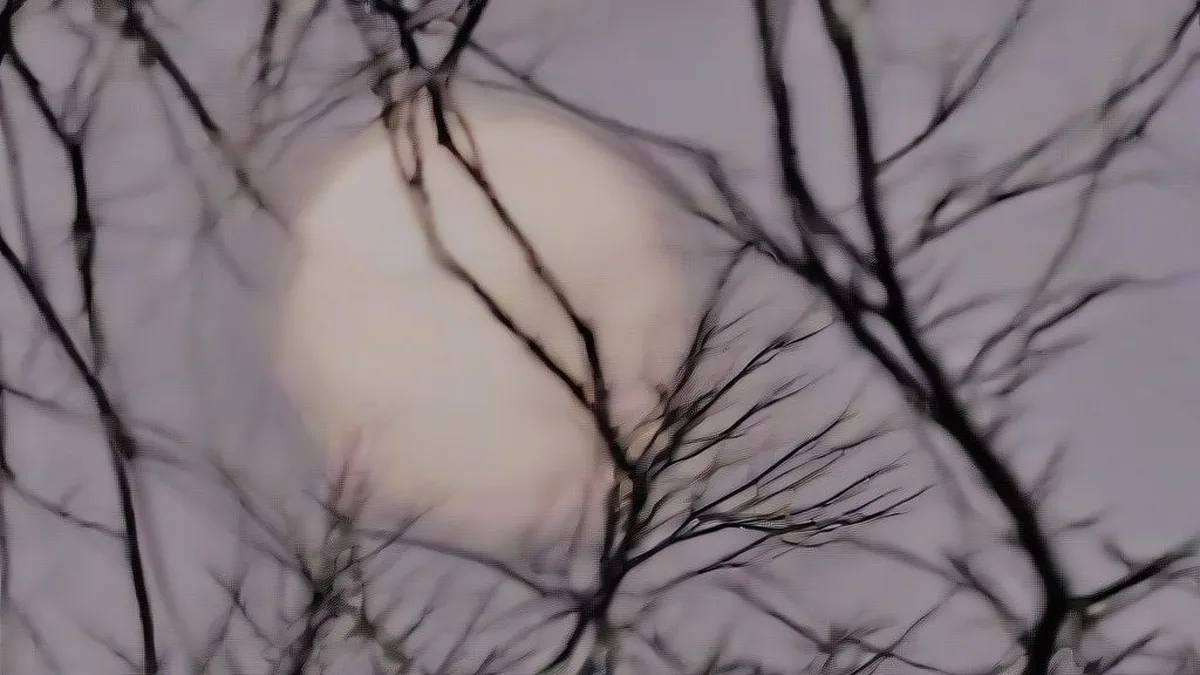
The October full moon, widely anticipated across the globe as the traditional 'Hunter's Moon', is set to light up evening skies worldwide, providing astronomers and stargazers alike with an exceptional opportunity for nighttime viewing. According to astronomical data, the lunar event will shine directly opposite the sun, leading up to the Halloween festivities.
While space agencies and astronomical bodies note that the exact peak of illumination occurs at varying times across international time zones, the Moon will appear entirely full to the human eye for two to three consecutive nights surrounding the peak.
Global Timings for the 2026 Hunter's Moon
The precise moment of 100 percent illumination varies depending on geographical coordinates. Observers across different regions can track the event according to local schedules:
* Los Angeles, US: October 25, 9:11 PM PDT * New York, US: October 26, 12:11 AM EDT * London, UK: October 26, 4:11 AM GMT * Paris, France: October 26, 5:11 AM CET * India: October 26, 9:41 AM IST * Sydney, Australia: October 26, 3:11 PM AEDT
In regions where peak illumination happens during daylight hours—such as India—the lunar disk will still appear at its maximum visual capacity during the preceding and following evenings.
What Stargazers Can Expect
For amateur astronomers and photography enthusiasts, the Hunter's Moon offers unique viewing conditions. Because the sunlight hits the lunar disk straight-on during this phase, the harsh shadows that typically outline craters during other lunar phases tend to fade away.
Instead, this alignment creates an ideal window to observe the dark, smooth volcanic plains, often referred to as lunar "seas," as well as the bright, prominent streaks radiating outward from young craters formed by ancient asteroid impacts. Following the peak, the Moon will gradually transition into a waning gibbous phase, maintaining a gentle glow through late-October nights.
Historical Origins and Cultural Significance
According to historical records and space agency summaries, the title "Hunter's Moon" dates back generations in the Northern Hemisphere. Traditionally following the harvest season, the clearing of summer crops left open fields, making it significantly easier for hunters to spot migrating wildlife and stock up on essential food supplies ahead of the harsh winter months.
Various Indigenous communities also maintain traditional nomenclature for this specific autumn lunar cycle, utilizing terms such as the "Migrating Moon" or the "Freezing Moon" to mark the definitive shift toward colder weather and the changing seasons.
About Gaurav Sen
Senior Editorial Director & Lead Geopolitical Analyst
Senior Editorial Director and investigative correspondent covering national affairs, international relations, defense, and economic policy for Daily News 365.