Meta Unveils 'Max': The Tech Giant's First Humanoid Robot Prototype Designed to Give AI a Physical Form
Meta has partnered with robotics startup Fourier to build 'Max', a five-foot humanoid robot designed to serve as a physical vessel for its AI agents.

Stepping Out of the Screen
Artificial intelligence is rapidly migrating from digital displays into the physical world. Tech giant Meta has teamed up with Chinese robotics startup Fourier to develop a humanoid prototype named Max, marking a significant escalation in the company's hardware ambitions.
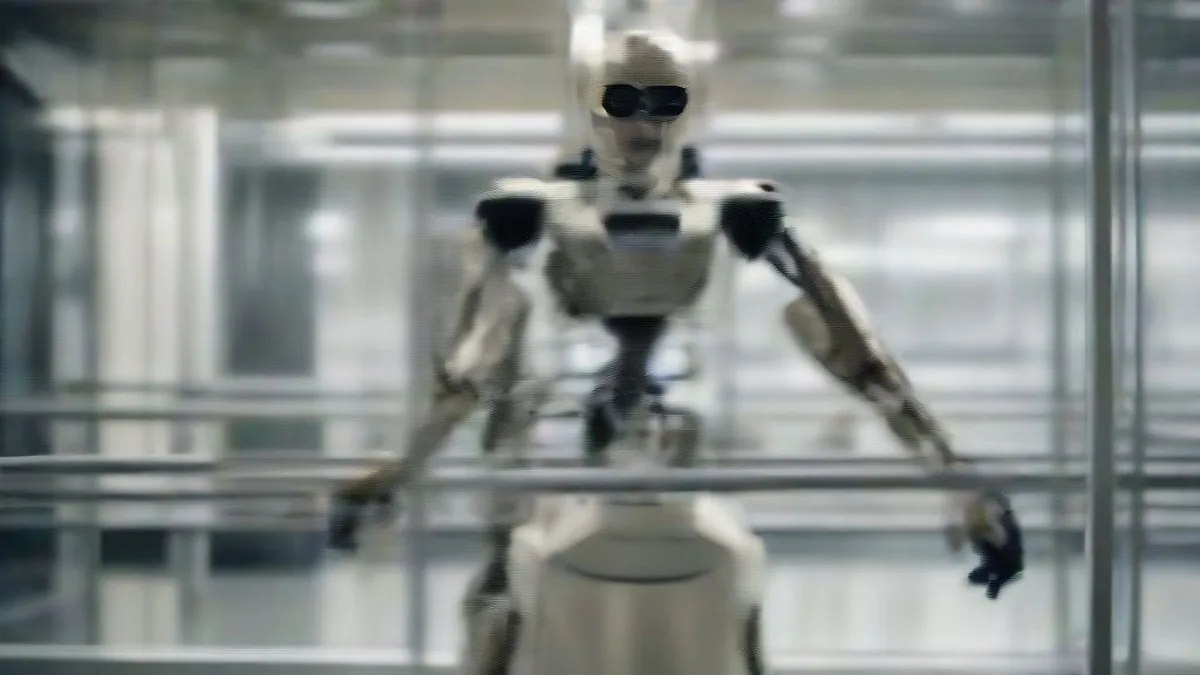
Built in just three months, the humanoid robot stands approximately five feet tall and weighs around 48 kilograms. It features five-fingered hands capable of manipulating small objects, integrated chest speakers, and an expressive facial display designed to mimic human expressions and emotional cues.
According to industry insiders, Max is not merely a rebranded Fourier model. While utilizing Fourier's foundational hardware from its previous generations of robotics, Meta heavily customized the architecture, including the height, proportions, head design, display integration, cameras, hands, and locomotion features.
Advanced Human Interaction
Meta's robotics division established strict behavioral parameters for Max during its development phase. The prototype is engineered to:
* Recognize human voices from a distance of up to five metres. * Interpret specific hand gestures and waves from three metres away. * Maintain active eye contact during interactions. * Communicate its internal state—whether it is listening, thinking, speaking, or processing uncertainty—via facial indicators.
Under the hood, Max is powered by Nvidia's Jetson Thor computing platform. Its articulate five-fingered hands allow it to handle everyday items such as bottles and small toys with relative dexterity.
The Road Ahead: Version Two and Commercial Ambitions
Meta's leadership views humanoid robotics as a potential physical embodiment of its advanced AI agent, Muse. By bridging software intelligence with physical hardware, the company aims to create interactive systems capable of operating seamlessly in real-world environments.
Development on a second-generation prototype has already begun. Planned upgrades for the next iteration include a redesigned torso, vastly improved object-manipulation capabilities in the hands, an integrated projector for visual content display, and advanced sensor arrays to assist with complex navigation tasks like climbing stairs.
While official commercial launch dates remain unconfirmed, Meta's current official stance frames the Fourier collaboration as an internal research initiative. However, industry analysts suggest that these rigorous testing phases are laying the groundwork for a future consumer or enterprise-ready product line.
Strengthening the Robotics Division
Meta's aggressive push into robotics is supported by a series of strategic moves over the past year. The establishment of Meta Robotics Studio, the acquisition of AI behavior startup Assured Robot Intelligence, and the leadership of Marc Whitten—former CEO of General Motors' autonomous-driving subsidiary Cruise—demonstrate the company's long-term commitment to autonomous systems and embodied artificial intelligence.
About Gaurav Sen
Senior Editorial Director & Lead Geopolitical Analyst
Senior Editorial Director and investigative correspondent covering national affairs, international relations, defense, and economic policy for Daily News 365.